Peternal NDT
Penetrant Testing Services
Professional liquid penetrant testing for surface-breaking discontinuities in welds, castings, machined parts, and critical components. Our PT inspections support quality assurance, safety, and code compliance across demanding industrial applications.
PT Overview
Where PT Adds Value
Penetrant testing is a fast, effective method for detecting open-to-surface flaws on nonporous materials. It is widely used when visual inspection alone is not enough to confirm surface integrity.
Weld Inspection
Identify cracks, laps, porosity indications, and other surface-breaking flaws in fabricated weldments and repaired joints.
Component Testing
Evaluate machined parts, castings, and formed components before installation or return to service.
Maintenance Support
Support shutdowns, turnarounds, and routine maintenance programs with dependable PT examinations and reporting.
Quality Control
Strengthen manufacturing quality programs with repeatable inspection procedures and clear acceptance documentation.
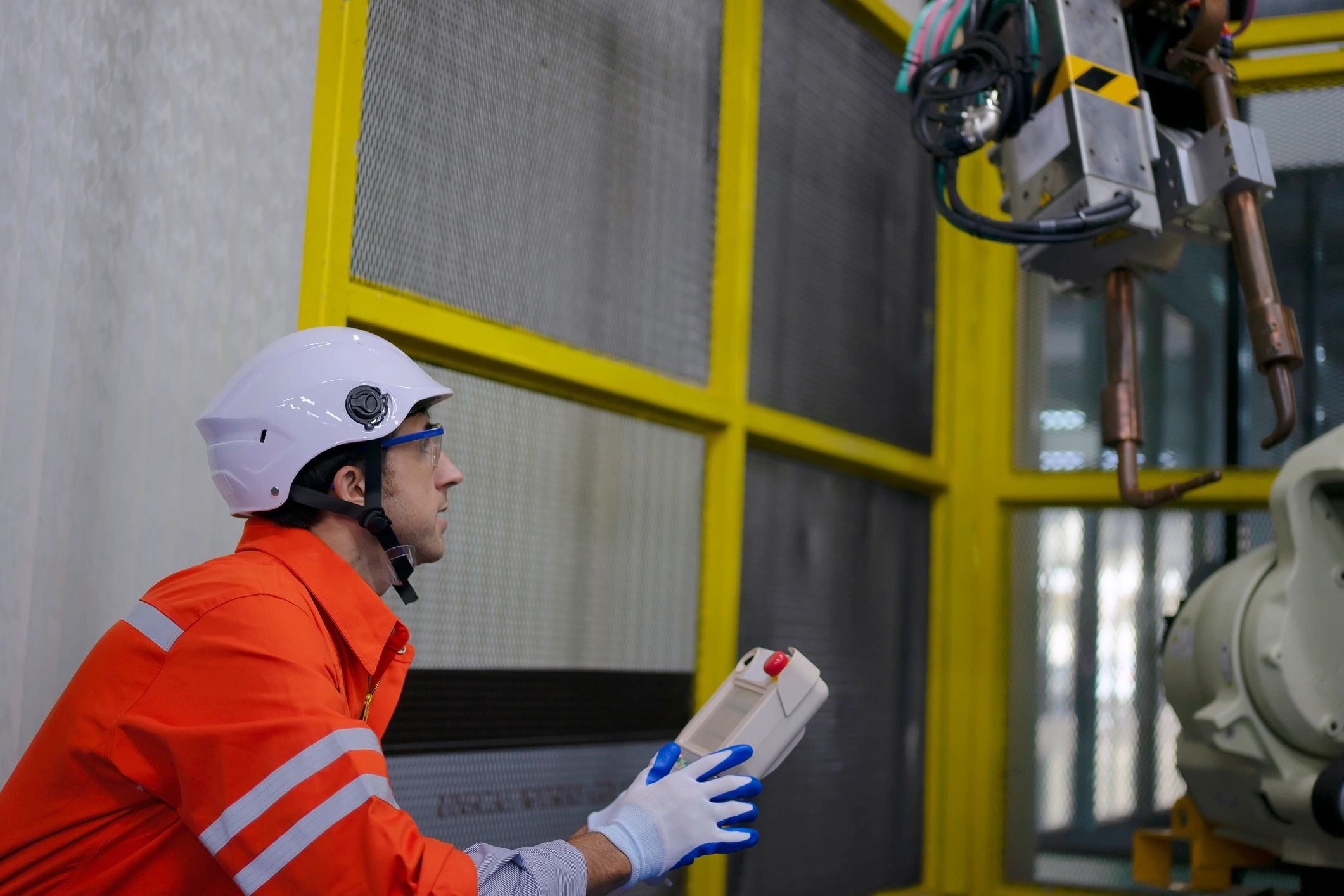
Our PT Process
Our penetrant testing workflow is designed for consistency, traceability, and dependable results in field and shop environments.
We begin with proper surface preparation, apply the penetrant based on the material and inspection requirements, allow adequate dwell time, remove excess penetrant carefully, and apply developer to reveal relevant indications. Findings are evaluated and documented to help clients make informed maintenance, fabrication, and acceptance decisions.
PT FAQs
Common questions about penetrant testing services.
What does PT detect?
PT detects surface-breaking discontinuities such as cracks, seams, laps, and porosity that are open to the surface.
What materials can be tested?
PT is typically used on nonporous materials including many metals, ceramics, and some plastics, depending on the application.
Is PT suitable for field work?
Yes. PT can be performed in both shop and field settings when surface condition, access, and environmental factors are properly managed.
How is PT different from MT?
PT can be used on nonporous materials regardless of magnetism, while MT is limited to ferromagnetic materials.
Do you provide documentation?
Yes. Inspection findings can be documented clearly to support quality records, maintenance decisions, and compliance requirements.
When should PT be used?
PT is often used during fabrication, repair verification, preventive maintenance, and final quality checks where surface flaw detection is critical.